Marty's Notebook
Hi all,
If it feels like our systems are fraying, it’s because they are. Many of the shared norms that hold democracy together are under real stress. Authoritarianism does not rise solely by force. It grows in the cracks of isolation, when people feel powerless, disconnected and alone. Trust is thinning. Communication is breaking down.
That is where networks come in.
The work of resisting exclusion and control is not just about courage. It is about design. Strong networks offer roles, clarity, connection and motion. They give people a way in and a way forward. When institutions are brittle or unresponsive, networks help people find one another and take action together.
In moments like this, networks are more than tools for organizing. They are civic infrastructure. And like all infrastructure, they need investment, care and design to hold under pressure. Networks are the preferred structure of liberation and resistance everywhere, always. That is the work.
This month, we’re reflecting on what networks make possible. And what it takes to keep them strong. Thanks to everyone who keeps organizing, keeps reaching out, and keeps believing in what’s possible together. That’s how we repair what’s been broken and build what’s needed next.
Peace,
Marty Kearns
Deep Dive Insight
The Real Value of People-Powered Networks
When people talk about networks, they often mean mailing lists, Slack groups, or vague coalitions. But real people-powered networks do more. They build trust, move ideas, and help people coordinate without waiting for permission. They’re not just a structure; they’re a strategy.
This blog post returns to the fundamentals: what networks are actually good for, and why they matter in times of uncertainty. From sensing weak signals to mobilizing under pressure, the value of networks goes far beyond convening.
Are you leading a network (or thinking about starting one)? This post offers practical insights you can act on today.
|
|

Featured Resource
Practical Advice for Resisting Authoritarianism
What does it actually take to reclaim democracy, especially when institutions feel shaky and trust is low?
In this thoughtful podcast, Daniel Hunter joins host Alex Lovit (of the Kettering Foundation) to unpack practical lessons for resisting authoritarianism in the U.S.
Hunter has studied resistance movements around the world. He talks about the power of motion over paralysis, the importance of building roles into organizing strategy, and how networks create the infrastructure for resilience.
It’s a grounded, clear conversation that speaks directly to the work of network leaders facing fractured civic space.
|
Answers from the Field
Addressing pressing questions from our networks
Q:
“I want to make my network more resilient. Where should I focus first?”
A:
A resilient network doesn’t start with tech or tactics. It starts with people, and the structures that help them stay connected. If you’re looking to build strength into your network, revisit the basics: trust, communication, and clear roles.
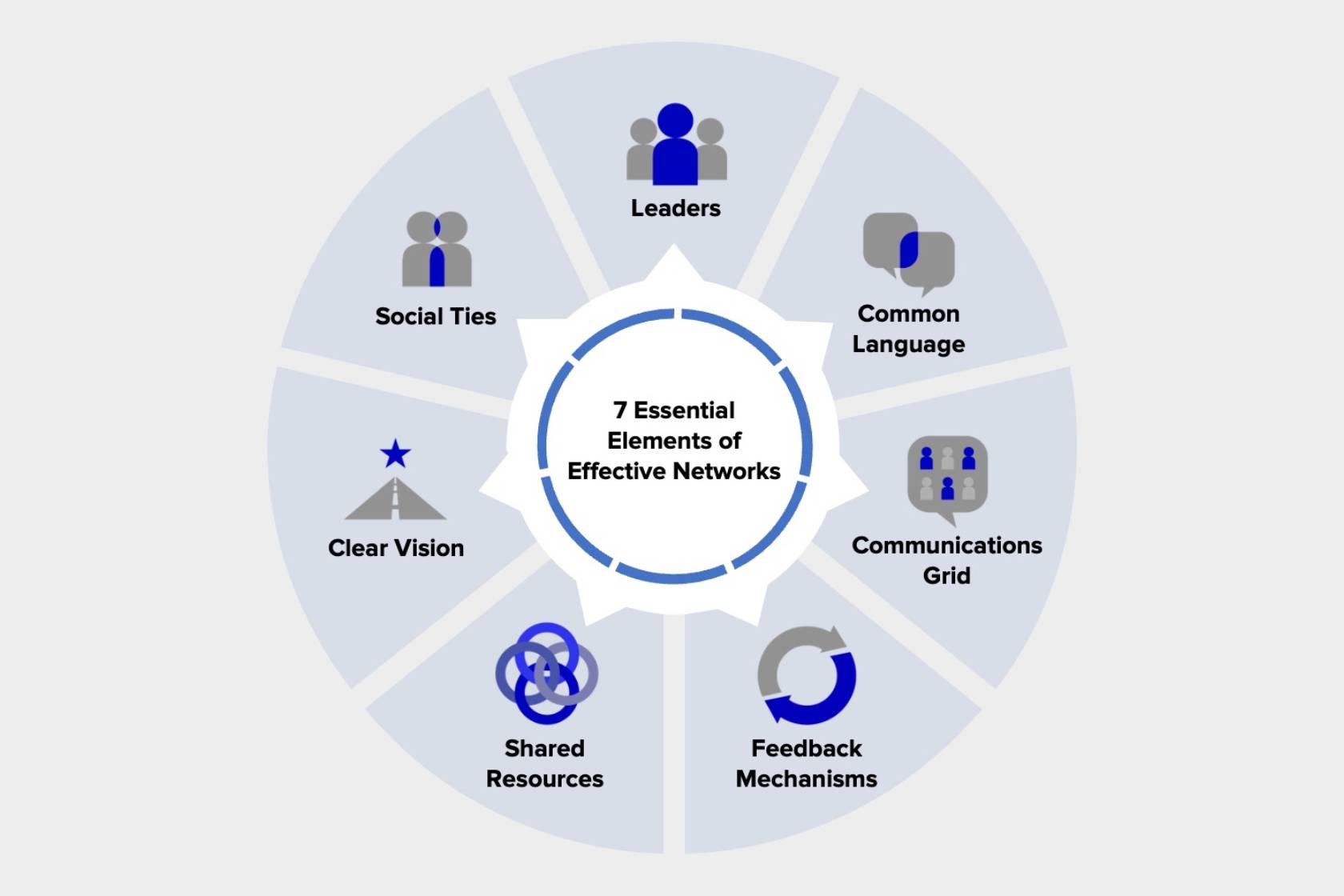
One useful place to begin is the Seven Elements of Effective Networks. These essential ingredients include concepts like building strong social ties, creating a shared vision, and supporting feedback loops. You don’t have to master them all at once. Start by identifying where the network is strong, and where it’s thinning.
Resilience comes from clarity, connection, and motion. Not perfection.
Even a small adjustment in how people show up, share resources, or talk to each other can keep things from stalling when pressure hits. You can do this!
Emerging Trends and Critical Insights
Algorithmic Hiring and the Rise of Civic Pollution
The job hunt has become a black box. Ghosted applications, automated rejections, and zero feedback.
But the real harm goes deeper. Dehumanized hiring is more than frustrating. It’s a form of civic pollution.
In this new article, we explore how algorithm-led processes are eroding trust, weakening networks of support, and fueling isolation at scale.
When people are treated like data, not neighbors, the ripple effects hit more than morale. They undercut the very civic ties we rely on in hard times.
It’s not just a workforce problem. It’s a democracy problem.
|
Updates from Our Partner Networks
Driving Change in Communities Around the World
Halt the Harm Network Update: Spotlight on Data Centers and Community Risk
Data centers are spreading fast, often without clear oversight or community input. Halt the Harm is stepping into this emerging space, supporting leaders who are confronting the public health and environmental risks of poorly planned data center developments.
From noise and heat pollution to water consumption and zoning conflicts, communities are raising urgent questions. We’re connecting advocates, gathering insights, and exploring the potential for a new support hub to scale local efforts.
Stay tuned. This thread is growing...
Learn More About The Halt The Harm Network
|
WashDesk Network Update: Growing the Network, One Message at a Time
Since launching WashDesk in Asunafo North, the network there has grown to more than 5,700 SMS subscribers, all within the first year. That pace of growth marks one of the fastest ramps yet, reflecting not just strong community interest and coordination, but the program and its people-powered network model hitting its stride.
Across the region, recruitment continues to rise. The total network now includes over 40,000 subscribers spanning six districts. With SMS outreach playing a vital role in engagement, WashDesk continues to build the infrastructure that is helping communities stay informed and involved in advancing water, sanitation, and hygiene for all.
Learn More About the WashDesk Program
|
What’s Sparking for You? Let Us Know.
Every edition of our Network Navigator newsletter is shaped by your input, questions, and ideas.
Have a story, insight, or challenge from your network you think we should feature?
Just hit reply!
We read every note and always looking forward to hearing from our readers.
✌️