Marty's Notebook
Disconnection Is the Strategy. Networks Are the Response.
Dear Friends and Partners,
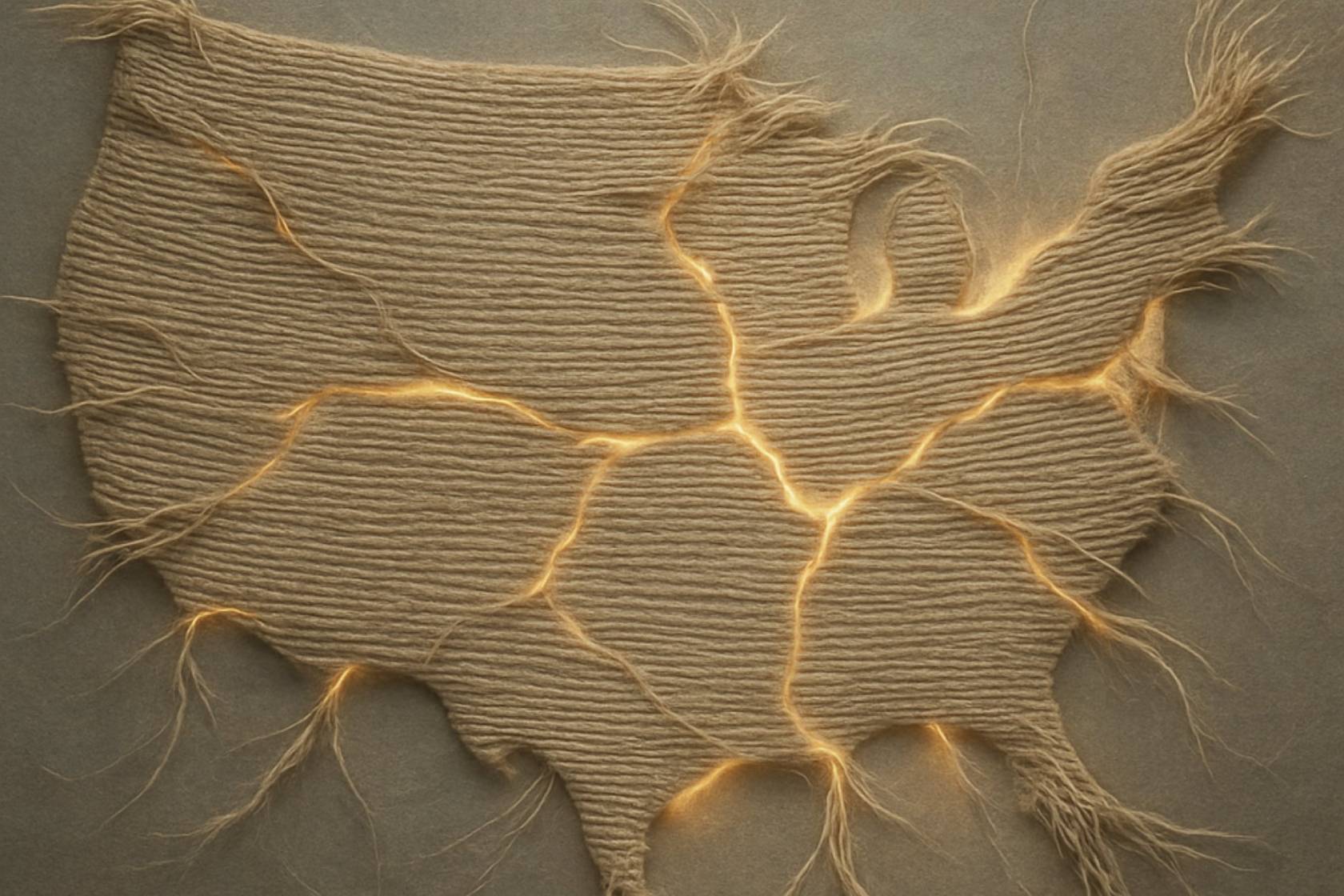
Not everything that feels broken is accidental. In our work building advocacy networks across issues and regions, we’re seeing a pattern that’s hard to ignore: disconnection is showing up everywhere. And more often than not, it’s by design.
When people feel isolated, overwhelmed, or invisible—it becomes harder to act, harder to trust, and harder to organize. That’s not a failure of democracy. It’s part of the playbook.
From defunding institutions to discrediting experts, from platform manipulation to legal intimidation, the common thread is fragmentation. Break the bonds between people, and you don’t need to silence them—because they stop acting collectively.
But here’s the thing: networks are built for this moment.
They’re not just structures. They’re relationships. They provide connection when the systems above us falter. They restore trust, enable collaboration, and create spaces where people feel seen—and supported.
This month’s newsletter digs into how networks counter isolation. We’re also sharing early thinking behind a new effort we’re calling Network Nation—a response to the rising fragmentation we’re seeing across sectors.
Because disconnection may be the strategy. But it doesn’t have to be the outcome. We’d love to hear what you’re seeing in your networks, and how we can support connection where it’s needed most.
Peace,
Marty Kearns
Deep Dive Insight
Rebuilding Trust When the Civic Fabric Frays
What if the greatest threat to democratic life isn’t ideology—but disconnection?
In our latest blog post, we unpack the quiet crisis unfolding beneath public debates: the fraying of the civic and social infrastructure that holds communities—and movements—together.
This article kicks off a new initiative to confront disconnection at scale and explore what it means to rebuild the connective tissue of civic life.
Help shape what comes next...
|
|

Featured Resource
Liberating Structures: Tools for Connection and Inclusion
In disjointed or disengaged groups, participation often defaults to the loudest voices or most familiar formats.
Liberating Structures offers a powerful alternative: 33 simple, replicable methods that spark inclusive collaboration, especially in groups that have grown quiet or disconnected.
Whether you’re leading a network meeting, organizing a community forum, or trying to rebuild engagement, these tools help people reconnect around purpose, create shared ownership, and generate insight—together.
|
Answers from the Field
Addressing pressing questions from our networks
Q:
“What can we actually do when people stop showing up—or stop trusting each other?”
A:
When participation drops or trust frays, it’s tempting to push harder. But rebuilding a network isn’t about pressure—it’s about presence.
Trust doesn’t return through outreach alone; it comes from showing up consistently, creating space for others to re-engage on their own terms, and proving—over time—that being part of something meaningful still matters.
Start small: one conversation, one shared task, one point of alignment. Make it easy for people to plug back in without guilt or overwhelm.
People may step back when networks feel extractive or unclear—but they come back when they feel seen, valued, and part of something meaningful.
Emerging Trends and Critical Insights
What’s the Point, If No One Follows the Rules?
A new investigation revealed that U.S. oil firms pumped over 30 million pounds of chemicals into Colorado land without properly reporting it—despite clear state mandates requiring disclosure. The report highlights a deeper issue: when accountability systems fail, so does public trust.
This isn’t just a regulatory failure—it’s a disconnect between what the system promises and what people actually get.
In an era when trust is already fraying, high-profile breakdowns like this make civic engagement harder. After all, what’s the point of laws and oversight if they’re ignored?
As we explore disconnection as a defining challenge of our time, stories like this show how institutional failure can deepen civic disengagement—and why trust must be rebuilt not just through rules, but through relationships and transparency.
|
Updates from Our Partner Networks
Driving Change in Communities Around the World
Halt the Harm Network Update: Celebrating Seven Years of Networked Environmental Action
This spring marked seven years since the launch of Halt the Harm Network, a milestone in collective environmental advocacy. What began as a bold idea—to connect people fighting oil and gas harms across the country—has grown into a trusted space for collaboration, leadership, and strategy-sharing.
Over the past seven years, HHN has supported hundreds of campaigns, equipped thousands of advocates, and surfaced community-led insights that inform national conversation. From connecting organizers to amplifying frontline research, the network continues to demonstrate how durable, distributed leadership can transform local fights into national movements.
Read more on how the network began—and how you can get involved:
Halt The Harm Network: Seven Years In
|
WashDesk Network Update: Menstrual Hygiene and Handwashing Day Activities
In the coming weeks, the WashDesk network in Ghana’s Ahafo Region will be mobilizing for two key public health milestones: Global Menstrual Hygiene Day (May 28) and Global Handwashing Day. These events, supported by the Ghana Health Service and local leaders, will bring education, dignity, and visibility to two critical—but often overlooked—health issues.
Planned activities include the distribution of branded exercise books, sanitary pads, and backpacks to hundreds of students, alongside outreach campaigns focused on breaking taboos and increasing school attendance among girls.
These efforts reflect the strength of the network: enabling local leaders to respond to real community needs, organize with cultural sensitivity, and push forward health and gender equity with both care and coordination.
Learn More About the WashDesk Program
|
What’s Missing? Let Us Know.
We’re shaping future editions of Network Navigator,
and your input makes it better.
Have a question, resource, or network challenge
you’d like us to explore?
Just hit reply—we’d love to hear from you.
✌️