|
Network Navigator:
Throw Away Your Plans!
|
|
|
Marty's Notebook
Throw Away Your Plans (But Never Stop Planning)
Dear Friends and Partners,
I’ve been thinking a lot about a quote often attributed to Eisenhower: “Plans are useless, but planning is indispensable.” It’s stuck with me—not just because of the chaos in the world right now, but because of what we’re learning every day about what it takes to build truly resilient networks.
Plans—rigid and final—often fall apart. We’ve all seen it. A single phone glitch, a policy shift, a moment of disruption can render even the most carefully crafted strategies obsolete. But the process of planning—the act of gathering people, building trust, mapping risks, and envisioning futures together—that is irreplaceable.
At Netcentric Campaigns, we believe planning isn’t just logistical; it’s relational. It’s a way to cultivate readiness, strengthen community ties, and prepare leaders to act boldly and compassionately when the unexpected hits.
We don’t pretend to have all the answers. But we do know this: planning together makes us stronger. And that strength—that connection—is the foundation for real, lasting change.
If you’re facing challenges that feel too complex to tackle alone—or if your plans keep getting upended—we’d love to hear from you. Let’s plan together, build together, and find strength in the network.
Warmly,
Marty Kearns
Deep Dive Insight
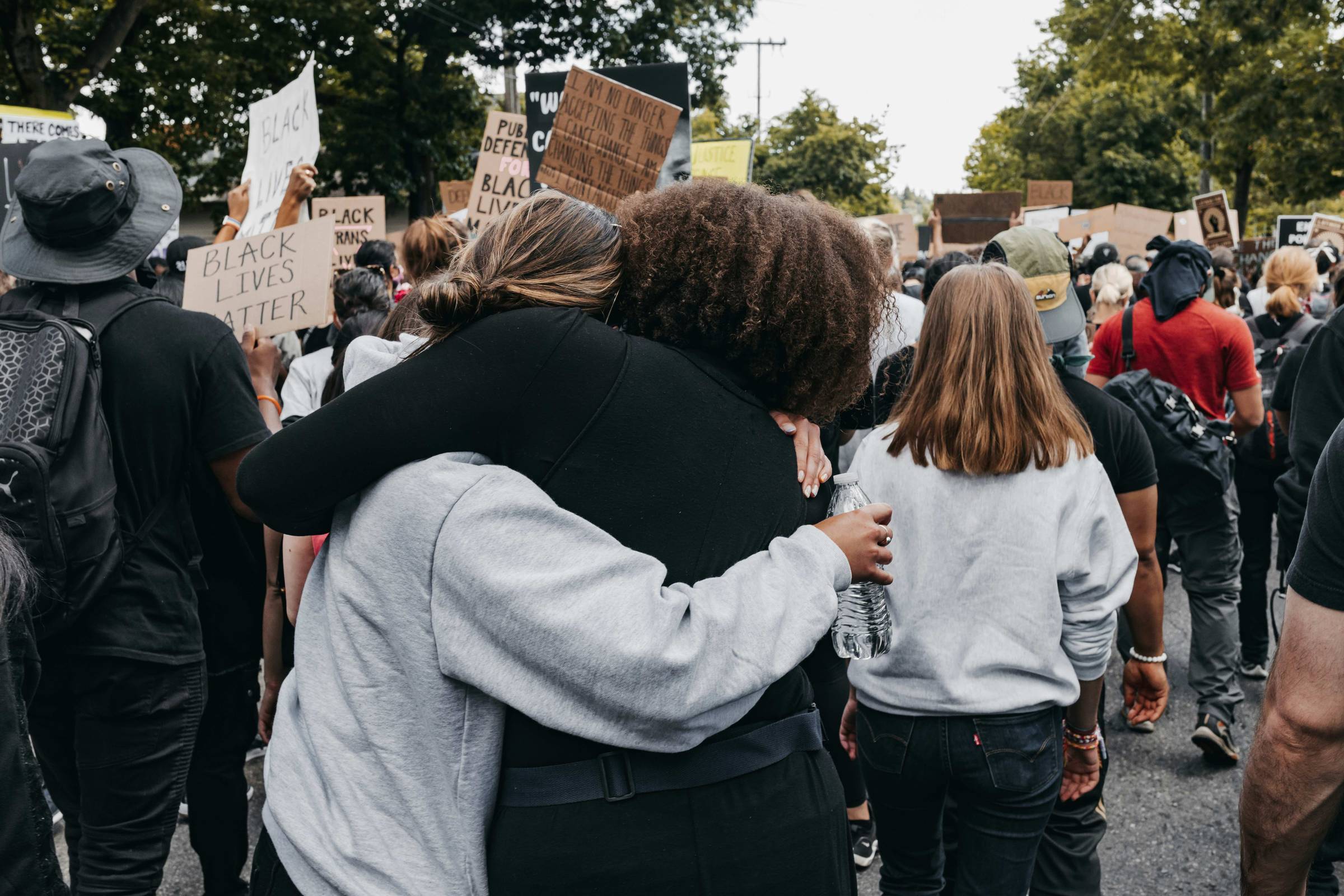
Protection in Connection: The Safety of Networks
What if your network didn’t just help you take action—but helped keep you safe?
In our latest blog post, we explore the often-overlooked value of collective safety in networked advocacy.
From safeguarding reputations to creating a shield against political and social risk, strong networks offer more than connection—they provide protection, resilience, and strength through solidarity.
|
|
Featured Resource
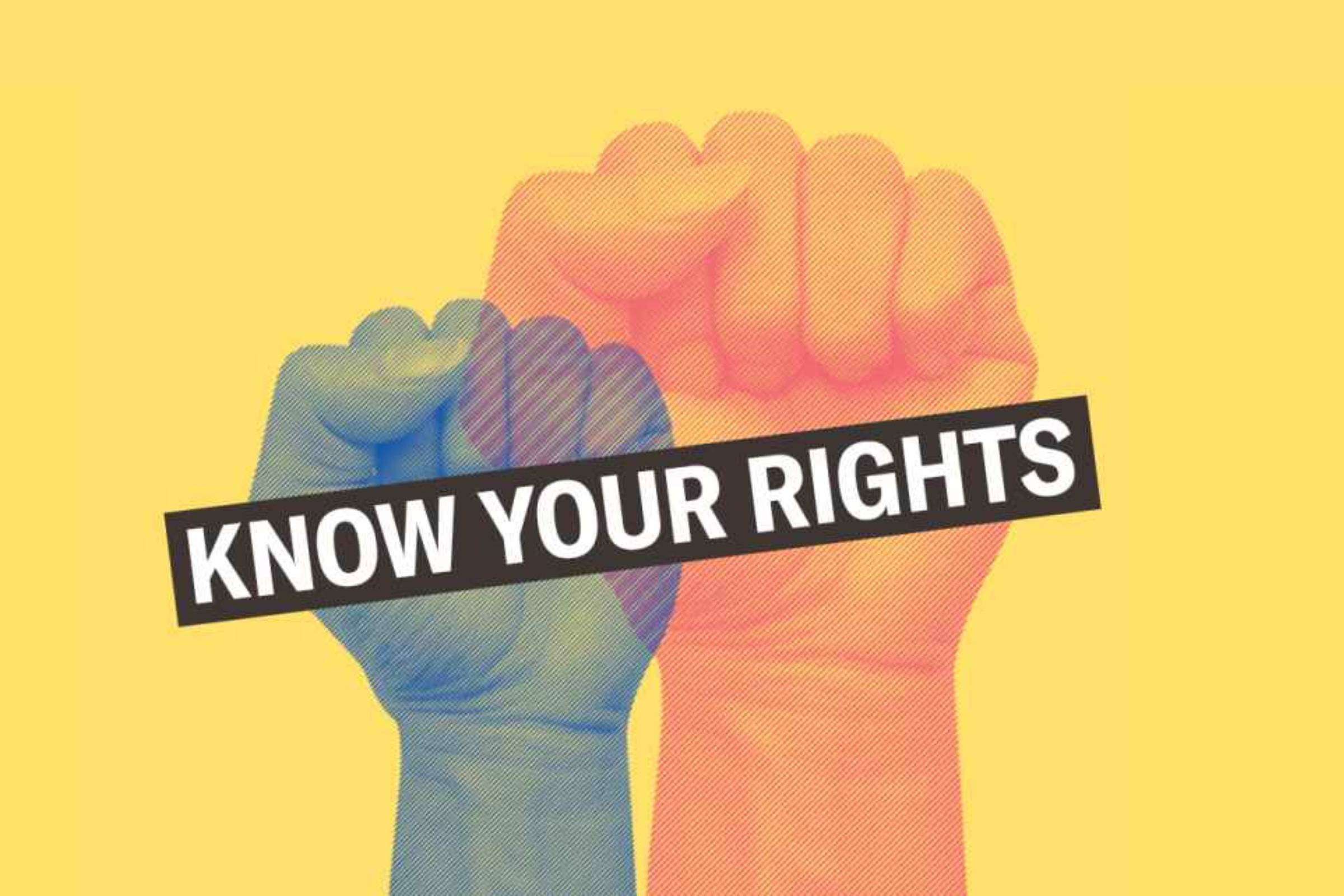
Know Your Rights: Tools for Everyday Protection
Whether you’re at a protest, or simply going about daily life, understanding your rights is essential.
ACLU's Know Your Rights Toolkit offers clear, actionable guidance for navigating encounters with police or immigration officials.
It helps communities stay informed, prepared, and protected—making legal knowledge accessible and empowering in the moments when it matters most.
|
Answers from the Field
Addressing pressing questions from our networks
Q:
“How do you recover from a communications misfire—especially when trust is on the line?”
A:
When a campaign stumbles—whether it’s a poorly crafted message, a tech glitch, or another public-facing misfire—what matters most is how quickly and how well you respond.
During a recent outreach push for one of our networks, our team inadvertently triggered a serious phone delivery error—resulting in tens of thousands of unintended calls.
We immediately went into full crisis communications mode, and came away with five essential steps that every advocacy team should have in their back pocket:
- Stop the harm quickly. Shut down the issue and stabilize the system.
- Understand the impact. Who was affected, and what do they need right now?
- Communicate with empathy. Acknowledge the mistake, show accountability, and apologize sincerely.
- Share the fix. Be transparent about what’s being done to prevent a repeat.
- Use it as a learning moment. Build trust by demonstrating how the response improved your system.
Recovery isn’t just about restoring functionality—it’s about rebuilding confidence. When handled well, even a misstep can deepen trust and reinforce your commitment to the people you serve.
Emerging Trends and Critical Insights
Reclaiming Social Capital Through Collective Action
The new documentary Join or Die explores one of the most urgent questions of our time: why are Americans increasingly disconnected—and what happens when people stop joining things?
Rooted in the work of political scientist Robert Putnam, the film traces the decline of social capital in the U.S. and makes a compelling case for rebuilding trust, connection, and civic infrastructure through intentional participation in networks and associations.
At a time when loneliness, polarization, and institutional distrust are on the rise, Join or Die surfaces a growing trend: people searching for meaningful ways to belong—and to build power collectively. The documentary doesn’t just reflect a crisis; it points toward a cultural and strategic opportunity for network leaders to re-engage communities and foster deeper civic resilience.
For advocacy networks, the message is clear: belonging isn’t ancillary to impact—it’s a prerequisite.
|
Updates from Our Partner Networks
Driving Change in Communities Around the World
Halt the Harm Network Update: Mapping the Alliance
Halt the Harm is actively growing its Alliance Map, a dynamic visualization of the organizations and institutions connected through the network. Beyond serving as a directory, the map helps visualize the relationships, leadership clusters, and shared goals that make coordinated environmental health advocacy possible.
More importantly, the map underscores the value of networked action itself. It reveals where connections already exist, where gaps remain, and how leaders across the country can align more intentionally. For those building and sustaining movements, mapping isn’t just a tactic—it’s an organizing principle.
Stay tuned for a deeper dive on the strategic benefits of network mapping in an upcoming blog post.
Learn more about the Halt The Harm Network
|
WashDesk Network Update: In-Person Training as a Foundation for Network Resilience
More than 100 district leaders—including representatives from all six WashDesk teams, district officers, traditional authorities, and community leaders—gathered in Goaso for a two-day, in-person training program. Led by Ogilvy Ghana, Netcentric Campaigns, and local government partners, the sessions strengthened their strategic communications skills and introduced participants to the upcoming Nsuo Ne Nkwa (Water is Life) campaign.
These trainings weren’t just about messaging—they were also about trust-building, coordination, and reinforcing shared ownership of WASH goals. The new Ahafo Regional Minister, Charity Gardiner, addressed the participants and pledged her support for region-wide efforts to improve water and sanitation.
Participants left with more than technical insights. They gained shared language, stronger connections, and a deeper sense of collective responsibility. As these leaders return to their districts, they bring with them the tools—and alignment—needed to strengthen the entire WashDesk network.
In addition to the Goaso training, a Nsuo Ne Nkwa communications briefing was held in Accra for broader WASH stakeholders. Attendees included representatives from Aquaya, Easy Water, IRC Ghana, Safe Water Network, WaterAid, and World Vision—building further alignment around the campaign and setting the stage for collective regional impact.
Learn More About the WashDesk Program
|
What do you want to see next?
We’re planning future editions of this newsletter,
and we’d love to know what you need most.
Hit reply and share a topic, a challenge,
or a resource request. We’re listening!
✌️
|
|
|